
DBT Cope Ahead With Music
You can't always prevent a stressful situation, but you can prepare for how you'll respond.
Have you ever found yourself worrying about something that hasn't happened yet?
Maybe it's an upcoming family gathering, a difficult conversation, or a situation you know might bring up strong emotions.
You can already imagine how uncomfortable it might feel.
DBT offers a skill called Cope Ahead that helps us prepare for challenging situations before they happen.
Instead of just worrying about what might go wrong, we practice how we want to respond.
Why Use Music?
Music gives us a way to practice coping skills before we need them.
A familiar rhythm, melody, or song can help us remember a coping response we've chosen. We can also use music to support the process of mentally rehearsing a difficult situation.
Rather than simply hoping we'll remember what to do when emotions run high, we can practice ahead of time.
What Is Cope Ahead?
Cope Ahead is a DBT emotion regulation skill that helps us prepare for situations we expect to be difficult.
The process involves:
Identifying a situation that may trigger strong emotions.
Deciding which coping skills would be helpful.
Imagining the situation and mentally rehearsing how to use those skills.
Practicing several times so the response becomes more familiar.
For example,
...Imagine you're preparing for a family gathering where someone frequently makes comments that upset you.
Instead of spending days worrying about what they might say, you could plan to pause, take a breath, and respond calmly or step away from the conversation.
Then you mentally rehearse using that response, even while imagining that the situation feels uncomfortable.
The goal isn't to predict exactly what will happen.
It's to practice responding effectively if it does.
MUSIC ACTIVITY: REHEARSING YOUR COPING RESPONSE
|
|---|
Now take the same skill beyond the music.
Cope Ahead isn't only for major challenges.
You can use it before a stressful appointment, an important conversation, a busy workday, or a family gathering.
Ask yourself:
What situation am I preparing for?
What skills could help me respond effectively?
Can I imagine myself using those skills, even if things get difficult?
Practicing ahead of time doesn't guarantee that everything will go smoothly.
But it gives you a plan you can return to when the moment arrives.
Using This Activity
If you teach DBT skills, this activity offers a way to practice Cope Ahead through guided imagery and musical cues.
If you are a music therapist, you can adapt the activity using familiar songs, improvisation, rhythm, or songwriting based on your clients' needs, goals, and preferences.
If you are learning DBT for yourself, choose a manageable situation and practice your coping response several times before it occurs.
No musical experience is required.
The music becomes a reminder of the coping response you've practiced, helping you prepare before the challenging moment arrives.
More DBT & Music Resources
Get Your Free DBT Mindfulness Flashcards
Want another way to practice DBT skills? Our free DBT Mindfulness Flashcards offer a simple way to explore and practice mindfulness skills in everyday life. | 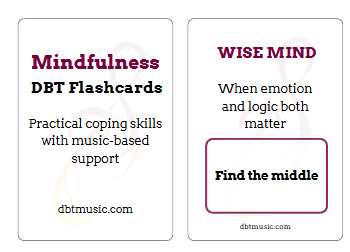 |
|---|
More DBT Activities Using Music
Looking for additional ways to practice DBT skills? Both of my books offer practical, creative music-based activities you can use in your work or everyday life.
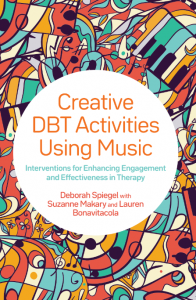 | See page 133 of this book for another Cope Ahead activity |
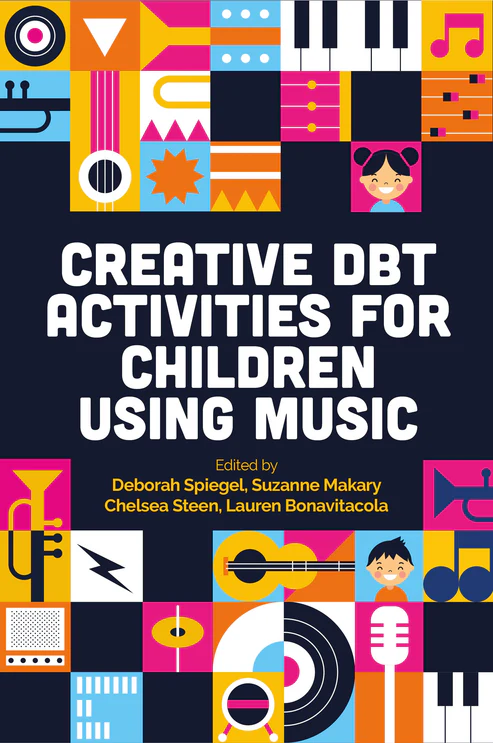 | Creative DBT Activities for Children Using Music. See page 172 for a Cope Ahead activity designed for use with children. |
Are You a Board-Certified Music Therapist Interested in DBT?
The Spiegel Academy offers specialized continuing education, practical resources, and advanced training to help music therapists integrate DBT skills into their clinical work.
Whether you're new to DBT or looking to deepen your existing skills, we offer learning opportunities to support you
Explore DBT Training & Continuing Education for Board-Certified Music Therapists
Keep Exploring
Discover more DBT skills, music activities, and learning resources at DBTMusic.com.